


-
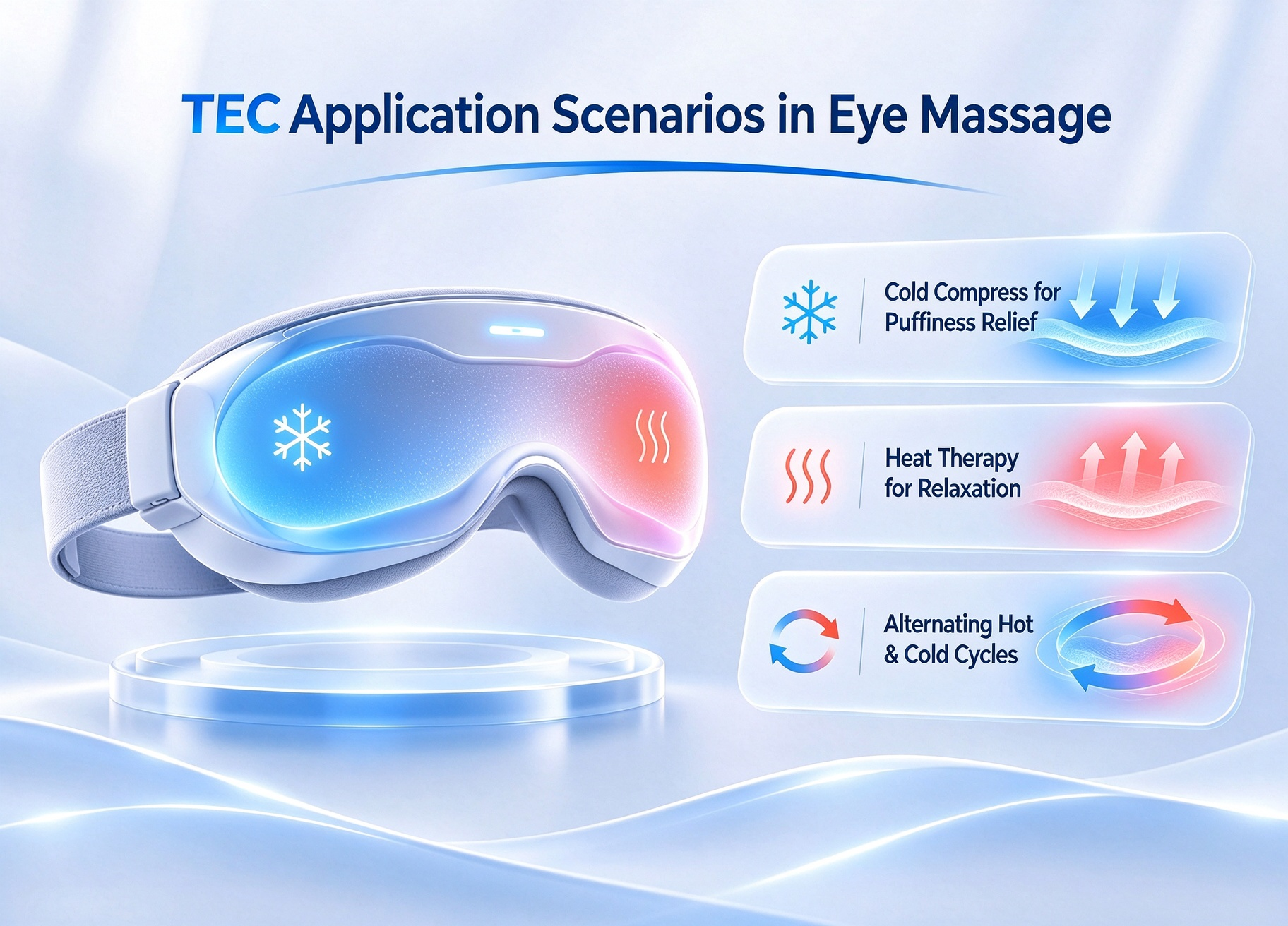
 Staying up late often causes eye soreness and periorbital puffiness, and cold compress is one of the most effective ways to reduce swelling. Traditional eye massagers, however, usually only support heat therapy. To meet diverse eye care needs, some mid-to-high-end eye massagers adopt thermoelectric cooling technology, adding cold compress to heat therapy and enabling free switching between cold and hot modes. In TEC eye massagers, thermoelectric cooling relies on the Peltier effect. When power is applied to the cooling chip, two surfaces are formed automatically: one side cools and the other heats up. Simply reversing the current direction swaps the hot and cold sides, enabling easy switching between ice compress and heat therapy. Miniature TEC chips feature compact size, precise and stable temperature control and low operating noise. These properties perfectly fit the req...
-
 In recent years, driven by rising demand for temperature control in household and commercial water dispensers, TEC-enabled water purifiers have found wider application. Many models feature slim profiles, wall-mount compatibility and low operating noise — benefits made possible by core thermoelectric cooling technology. Limitations of Traditional Compressor-Based Cooling The temperature control requirements for water purifiers differ fundamentally from those for refrigerators and air conditioners. Refrigerators prioritize high cooling capacity and deep freezing, while air conditioners focus on sustained cooling across large spaces. Water purifiers, by contrast, call for instant temperature adjustment, low noise, compact form factors and precise temperature regulation — exactly where thermoelectric cooling excels. Previously, small compressors were used to ...
-
 Welcome to our TEC knowledge sharing session! During the commissioning of thermoelectric cooling projects, condensation on TECs is a common issue. In most cases, condensation does not mean the TEC itself is defective. Instead, it stems from design oversights in temperature control logic, sealing structure, thermal insulation scheme or air duct layout. Drawing on on-site engineering commissioning experience, this article outlines the root causes of condensation and a step-by-step troubleshooting process. Feel free to leave a comment if you have questions or wish to learn more about TECs. 1. The Fundamental Principle of TEC Condensation Air can hold a limited amount of water vapor, and this capacity decreases as temperature drops. When a solid surface is cooled below a critical temperature, the air can no longer retain all its moisture. Excess water vapor separa...
-
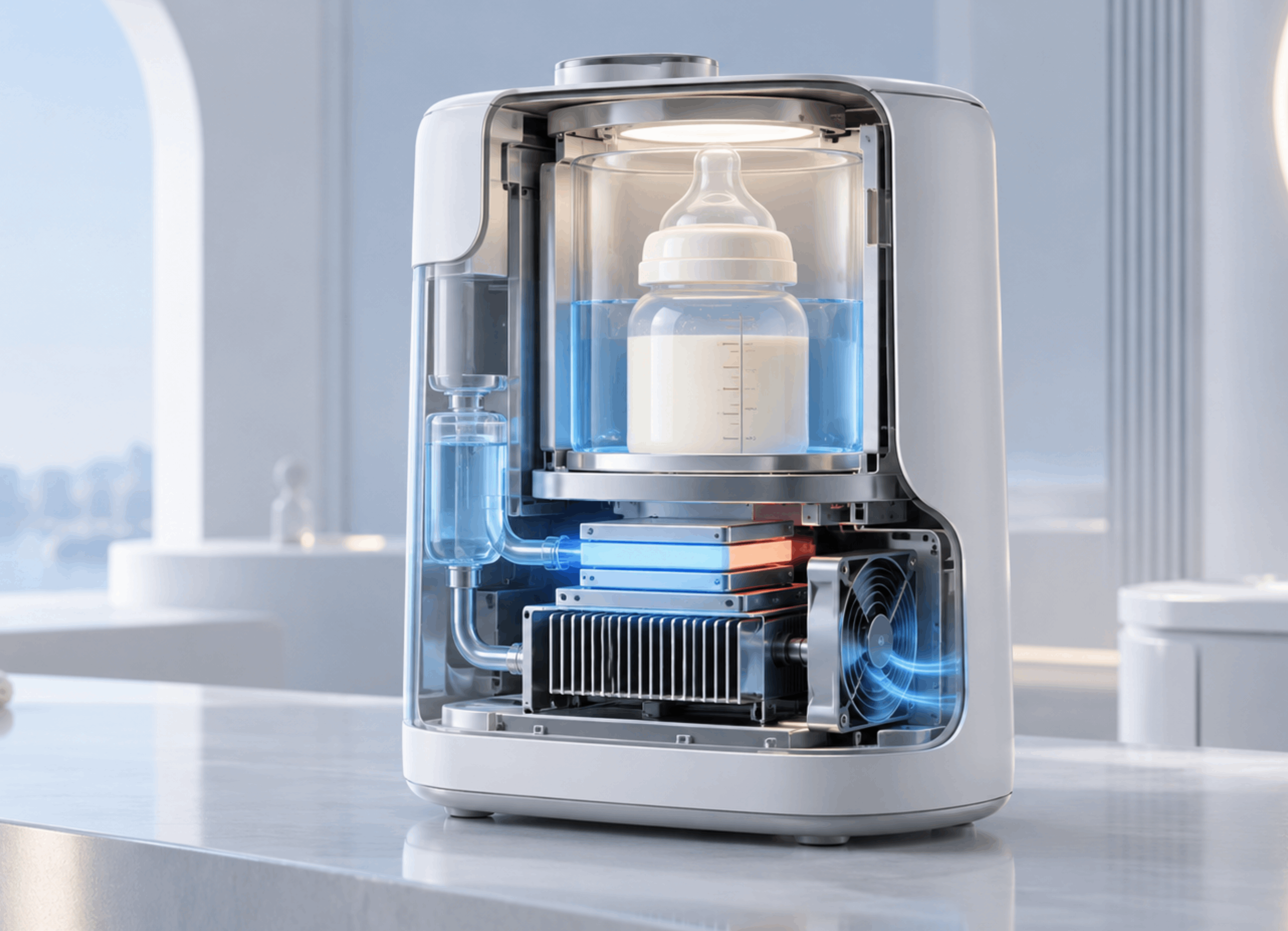
Many new parents struggle through late‑night bottle‑feeding sessions. Wailing hungry babies in the middle of the night, waiting for water to boil, and struggling to get the water temperature just right — these are common frustrations. Water that is too hot can destroy nutrients in formula; water that is too cold fails to fully dissolve milk powder. Leveraging its core strength of precise temperature control, TEC thermoelectric cooling technology effectively solves temperature‑related pain points for bottle‑preparation. I. TEC‑equipped Milk Warmer vs. Traditional Electric Kettle Most milk powder manufacturers recommend a mixing temperature of 40‑50℃. Whether cooling boiled water naturally or judging temperature by touch, a temperature deviation of 3‑5℃ is typical. Excessively high temperatures degrade immunologically active ingredients in formula; low tem...
-
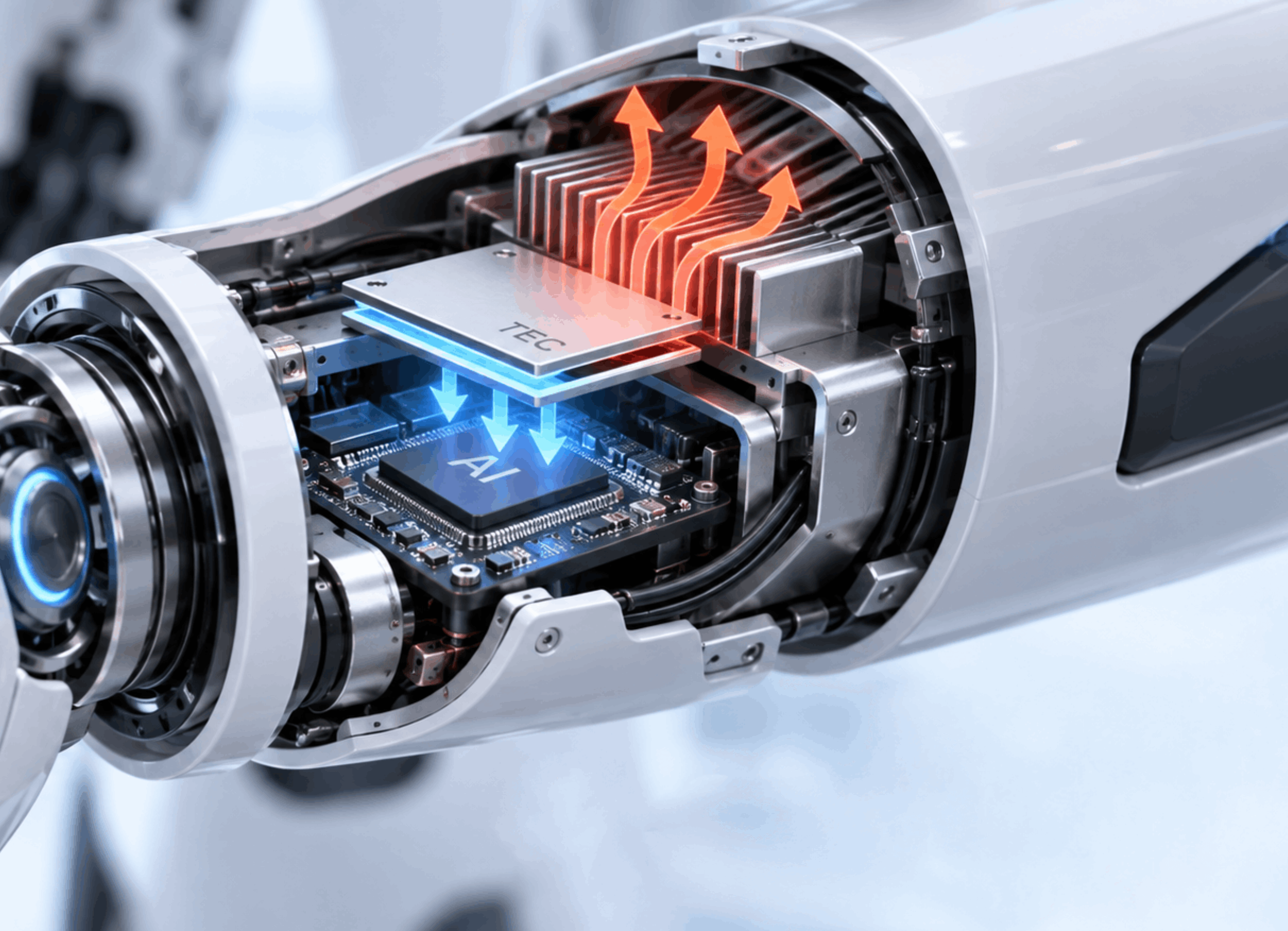
With the implementation of AI large‑models and high‑performance servo systems, humanoid robots have achieved substantial improvements in intelligent perception and motion‑control performance. Yet alongside technological iteration come new challenges: higher computing power and more complex executive actions lead to greater heat buildup in core components. Heat accumulation gives rise to numerous hidden risks, making thermal dissipation a critical factor determining whether robots can operate stably under high loads for extended periods. I. Root Causes of Heat Generation in Robots Humanoid robots must integrate high‑power servo motors, driver chips, batteries, sensors and AI computing units within their bodies. However, joint cavities often occupy merely several cubic centimeters, while mounting clearances at wrists and fingers can be less than 2 mm. Within such compa...
-
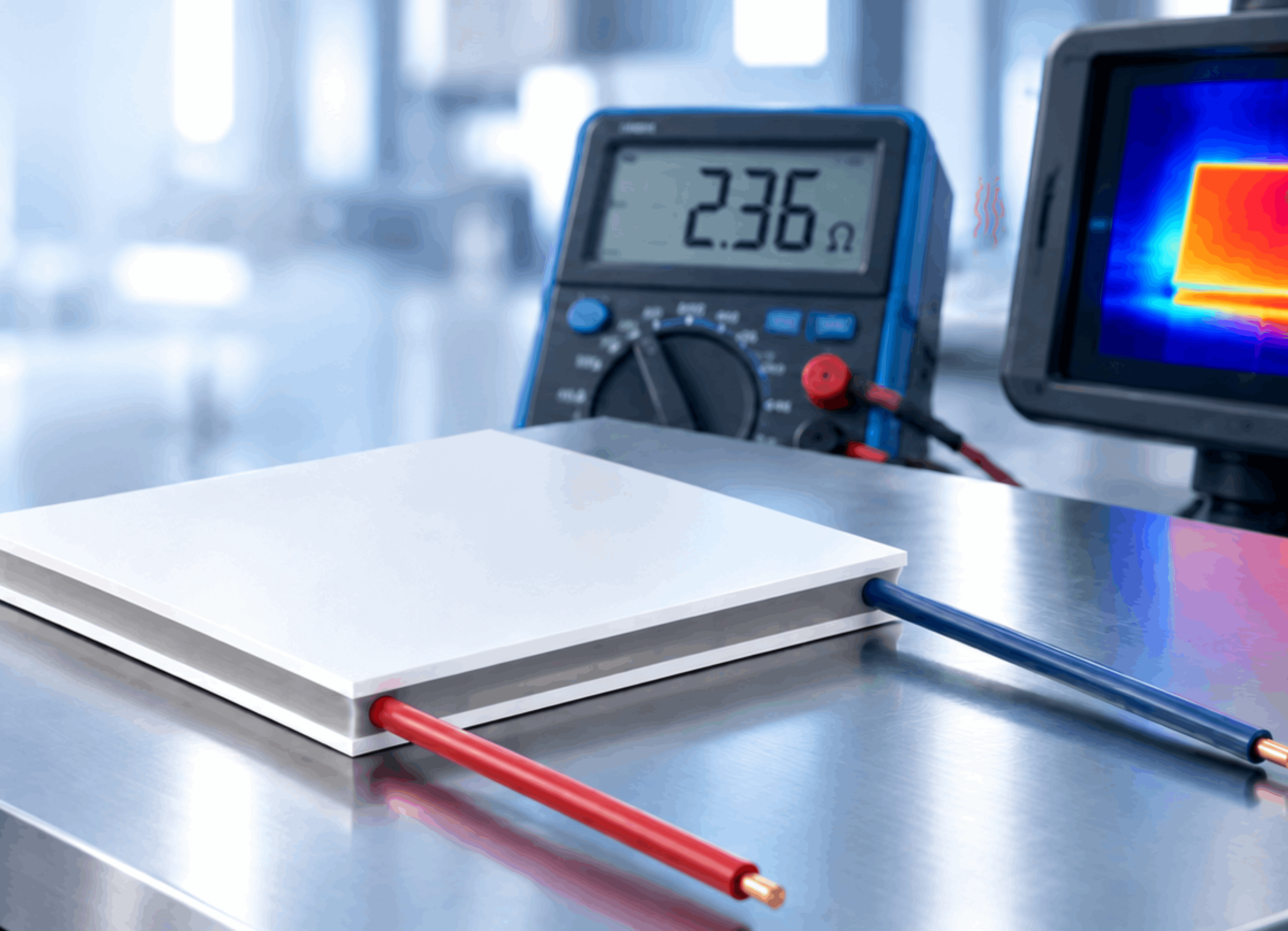
Most customers who have used thermoelectric coolers (TECs) have encountered this problem: two TECs with nearly identical appearance, dimensions and model numbers can deliver drastically different cooling performance once installed. One operates with stable cooling capacity, while the other suffers from weak cooling, temperature control drift, continuous performance degradation and premature failure. These issues eventually lead to equipment rework, project delays and substantial hidden costs. To prevent such problems, you need to properly distinguish TEC quality. Focus on these three key checks: Visual Inspection: Check substrate flatness to reject defective units; Internal Resistance Measurement: Detect cold solder joints and material defects to ensure batch consistency; Performance Test: Verify cooling capacity and avoid falsely labeled specifications. 1. Visua...
-
Thermoelectric Coolers (TECs) are deployed across a wide range of applications, and cooling module specifications vary for different equipment. Even identical‑model devices may be fitted with different TEC units. Two devices with similar appearances can deliver vastly different cooling performance. This article elaborates on key factors that govern TEC cooling performance. Feel free to leave comments if you have questions or wish to learn more about TEC technology. 1. Thermal Grease: Coating Thickness and Assembly Clearance Thermal grease is the most common thermal interface material between a TEC and cold‑conducting components. Without thermal grease, micro‑gaps at contact surfaces severely impede heat and cold transfer. The cold and heat generated by the TEC cannot be efficiently conducted, resulting in substantial degradation of overall system perfo...
-
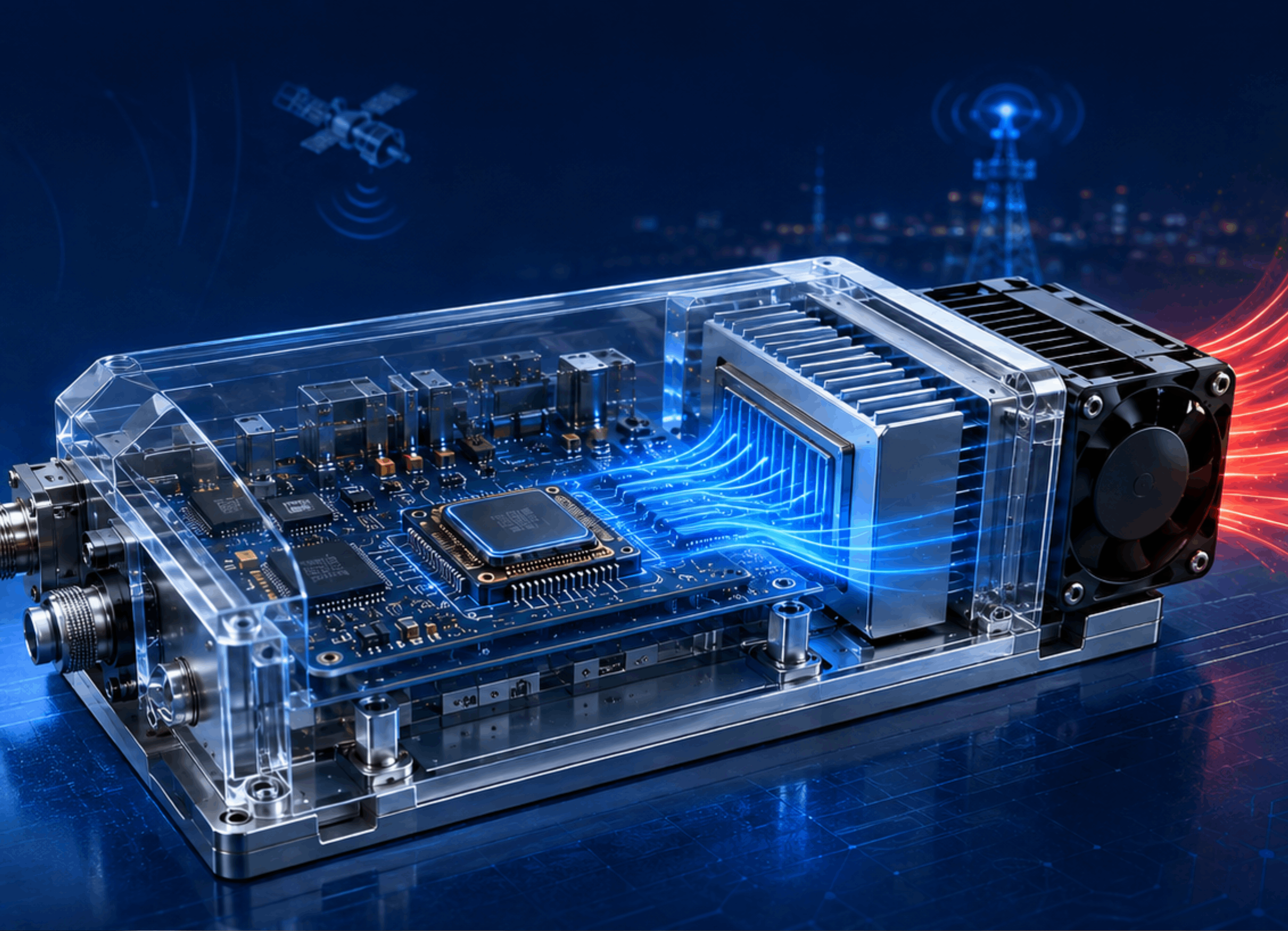
The RF module (Radio Frequency Module) is the core component responsible for "transmitting and receiving signals" in wireless communication systems, and it acts as the "translator" between the equipment and the wireless world: the equipment processes digital signals internally, while the air transmission is high-frequency electromagnetic waves. The RF module is responsible for converting between the two.However, the RF module has a troublesome problem - it hates heat. When it gets hot, the transmission power drops, the reception noise increases, and the transmission frequency "deviates". Mildly, it leads to an increase in bit error rate, and severely, it makes it impossible to receive the signal at all. High temperatures also accelerate the aging of the components. For every 10℃ increase in temperature, the component lifespan is directly halved. Therefore, precise tempe...
-
Welcome to the TEC Science Popularization Classroom! Mini TEC, with its compact size and precise temperature control capabilities, is widely used in high-end precision fields such as optical communication, medical aesthetics, military and aerospace. However, due to its extremely low failure rate, electrostatic charges, bumps, and dust pollution can directly cause the devices to fail. Therefore, the selection of packaging for storage and transportation is crucial. This article will specifically introduce the core advantages and selection methods of the two mainstream packaging forms, namely Waffle Boxes and Blue Film. If you have any questions about the content of the article or want to learn more about TEC knowledge, please leave a message in the comment section. I. Waffle Box Packaging: Standardized Hard Carrier Waffle Box (Waffle Pack), as the name sugg...
-
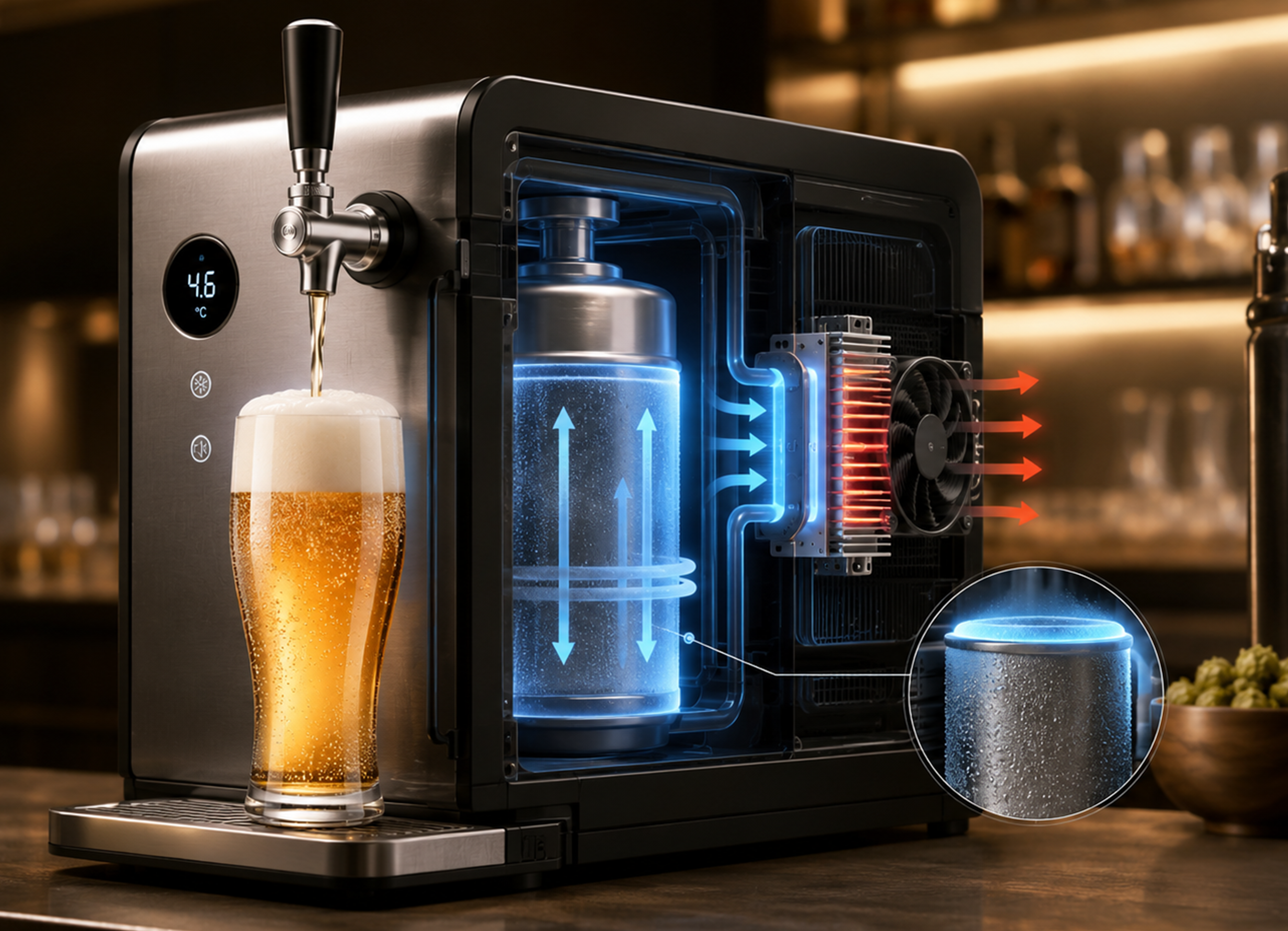
The drinking experience of beer has a high requirement for temperature. Different types of beer have different optimal drinking temperatures: for example, lager beer is best served at 4-6℃, and pale ale at 8-12℃. A mere 1℃ temperature fluctuation can affect the flavor of the beer itself. Temperature changes not only accelerate yeast inactivation, affect the aroma and taste of the beer, but also significantly shorten the preservation period.Traditional compressor-based refrigeration units are bulky, have poor temperature control accuracy, and the beer output is unevenly cold or hot. Continuous mechanical vibration and noise can easily cause the beer body to become cloudy and the taste to become dull. These defects are precisely the core advantages of thermal-electric refrigeration technology in quickly seizing the market for small-sized high-end draft beer equipment. I. Applic...
-
When we are streaming 5G videos and enjoying the convenience brought by AI large models, perhaps we haven't noticed that behind these high-tech scenarios lies a temperature control expert at the micrometer level - Micro TEC (micro thermoelectric cooler). Although its size is small, it can achieve precise temperature control of ±0.01℃. It is an indispensable core component for high-end optical communication equipment, silently safeguarding the stable transmission of every optical signal.Ⅰ.Why is optical communication unable to do without "precise temperature control"? Optical communication cannot do without the "signal transmitter" - the laser. Whether it is a DFB laser or an EML laser, they are extremely sensitive to temperature. Every 1℃ fluctuation in the environment will cause the laser wavelength to drift by 0.1nm. Don't underestimate this tiny drift; i...
-
 In the field of thermoelectric cooling, deep cooling (deep cooling / cryogenic cooling) generally refers to the condition where the target temperature is reduced to a level far below the normal temperature. Industry standards typically refer to a temperature of 200K or below. Due to the limitations of physical structure, the cooling capacity of traditional single-stage TEC has a clear upper limit: at a room temperature of 300K, the maximum temperature difference for cooling is no more than 70K, and the lowest temperature limit at the cold end is approximately 230K (-43℃). To achieve deep cooling below 200K, a multi-stage cascaded TEC scheme must be adopted. I. Main Application Scenarios of Deep Cooling1. Infrared Detection and Astronomical ImagingThe detection sensitivity of semiconductor photodetectors is highly negatively correlated with the operating te...




Telephone:+8613575452327
Email: xdrd1992@gmail.com
WhatsApp: +8613575452327
Address: No. 5 Longjiang Road, Jinchuan Street, Changshan County, Quzhou City, Zhejiang Province


Copyright © 2024 Zhejiang Advanced Thermoelectric Technology Co., Ltd.