


News Center
-
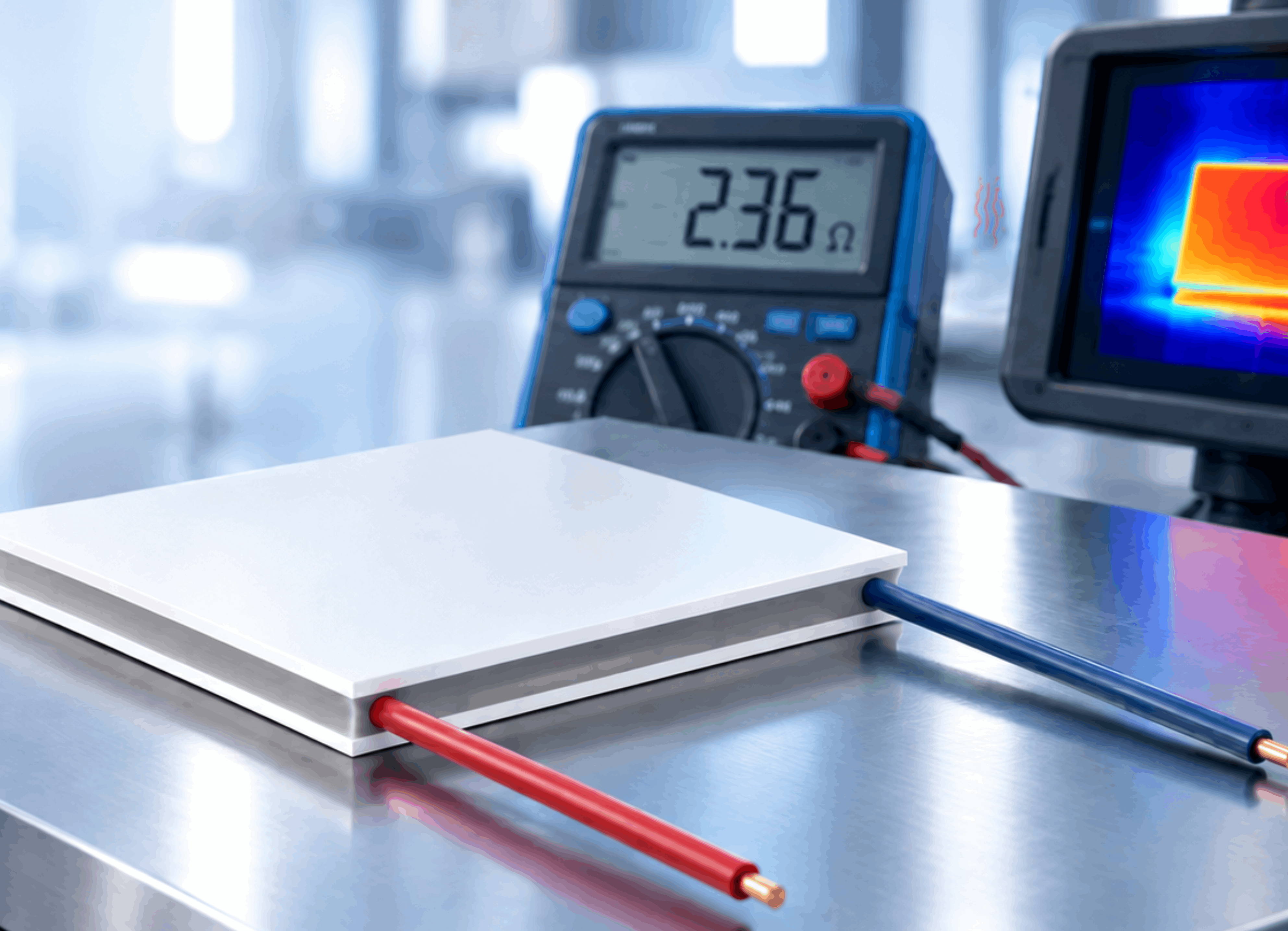
 Most customers who have used thermoelectric coolers (TECs) have encountered this problem: two TECs with nearly identical appearance, dimensions and model numbers can deliver drastically different cooling performance once installed. One operates with stable cooling capacity, while the other suffers from weak cooling, temperature control drift, continuous performance degradation and premature failure. These issues eventually lead to equipment rework, project delays and substantial hidden costs. To prevent such problems, you need to properly distinguish TEC quality. Focus on these three key checks: Visual Inspection: Check substrate flatness to reject defective units; Internal Resistance Measurement: Detect cold solder joints and material defects to ensure batch consistency; Performance Test: Verify cooling capacity and avoid falsely labeled specifications. 1. Visua...
 -
 Thermoelectric Coolers (TECs) are deployed across a wide range of applications, and cooling module specifications vary for different equipment. Even identical‑model devices may be fitted with different TEC units. Two devices with similar appearances can deliver vastly different cooling performance. This article elaborates on key factors that govern TEC cooling performance. Feel free to leave comments if you have questions or wish to learn more about TEC technology. 1. Thermal Grease: Coating Thickness and Assembly Clearance Thermal grease is the most common thermal interface material between a TEC and cold‑conducting components. Without thermal grease, micro‑gaps at contact surfaces severely impede heat and cold transfer. The cold and heat generated by the TEC cannot be efficiently conducted, resulting in substantial degradation of overall system perfo...
 -
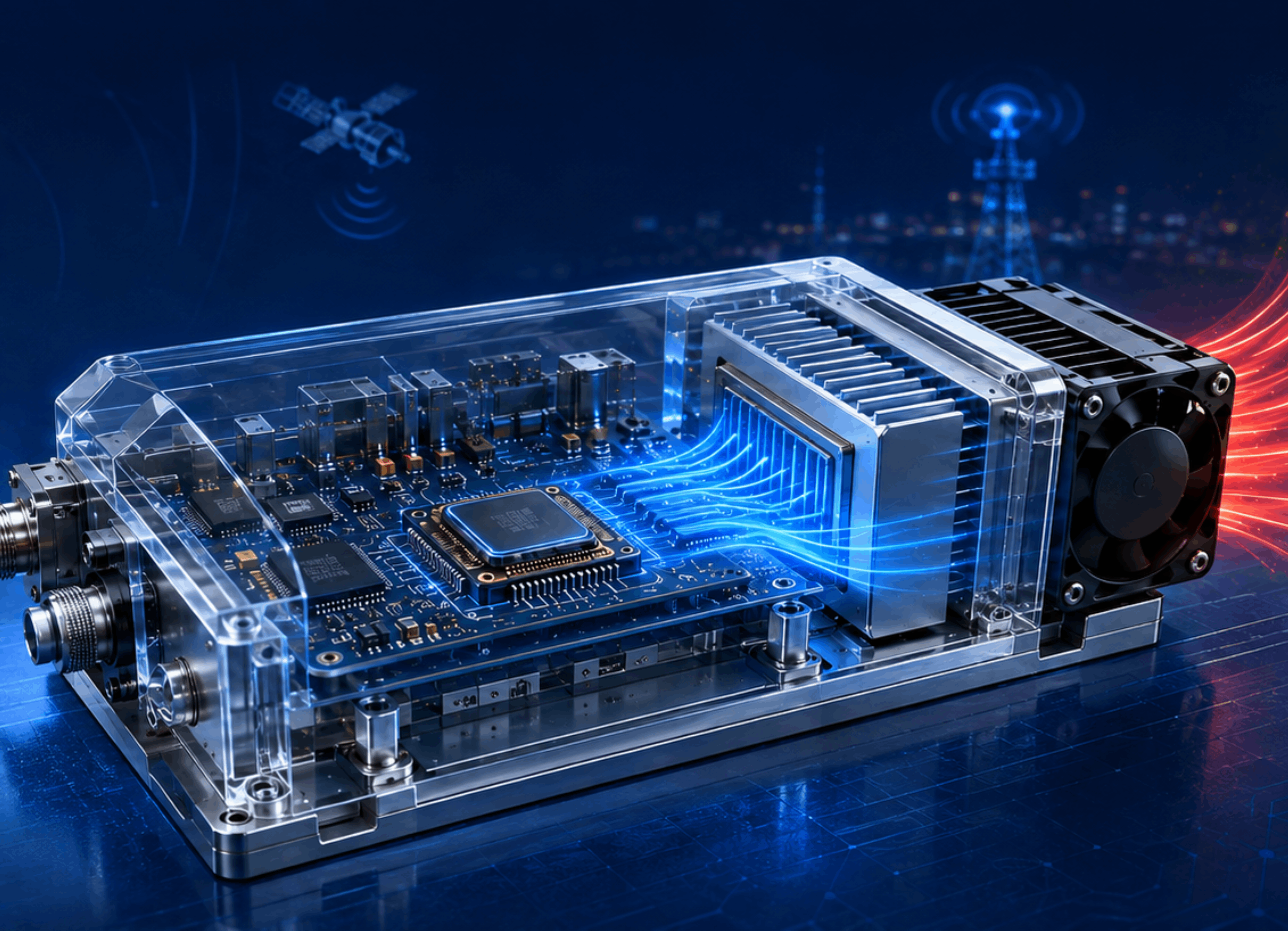
The RF module (Radio Frequency Module) is the core component responsible for "transmitting and receiving signals" in wireless communication systems, and it acts as the "translator" between the equipment and the wireless world: the equipment processes digital signals internally, while the air transmission is high-frequency electromagnetic waves. The RF module is responsible for converting between the two.However, the RF module has a troublesome problem - it hates heat. When it gets hot, the transmission power drops, the reception noise increases, and the transmission frequency "deviates". Mildly, it leads to an increase in bit error rate, and severely, it makes it impossible to receive the signal at all. High temperatures also accelerate the aging of the components. For every 10℃ increase in temperature, the component lifespan is directly halved. Therefore, precise tempe...
-
Welcome to the TEC Science Popularization Classroom! Mini TEC, with its compact size and precise temperature control capabilities, is widely used in high-end precision fields such as optical communication, medical aesthetics, military and aerospace. However, due to its extremely low failure rate, electrostatic charges, bumps, and dust pollution can directly cause the devices to fail. Therefore, the selection of packaging for storage and transportation is crucial. This article will specifically introduce the core advantages and selection methods of the two mainstream packaging forms, namely Waffle Boxes and Blue Film. If you have any questions about the content of the article or want to learn more about TEC knowledge, please leave a message in the comment section. I. Waffle Box Packaging: Standardized Hard Carrier Waffle Box (Waffle Pack), as the name sugg...
-
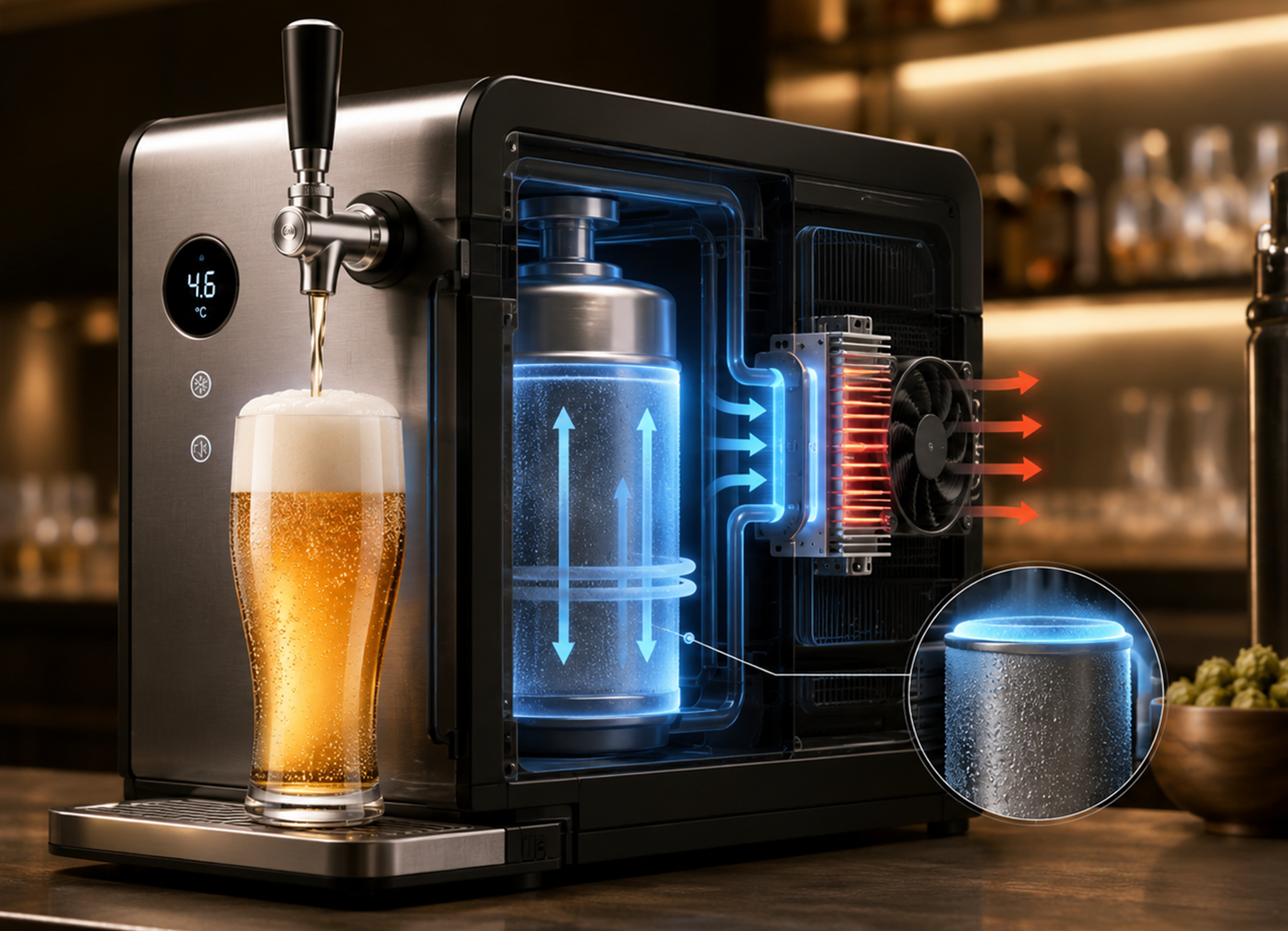
The drinking experience of beer has a high requirement for temperature. Different types of beer have different optimal drinking temperatures: for example, lager beer is best served at 4-6℃, and pale ale at 8-12℃. A mere 1℃ temperature fluctuation can affect the flavor of the beer itself. Temperature changes not only accelerate yeast inactivation, affect the aroma and taste of the beer, but also significantly shorten the preservation period.Traditional compressor-based refrigeration units are bulky, have poor temperature control accuracy, and the beer output is unevenly cold or hot. Continuous mechanical vibration and noise can easily cause the beer body to become cloudy and the taste to become dull. These defects are precisely the core advantages of thermal-electric refrigeration technology in quickly seizing the market for small-sized high-end draft beer equipment. I. Applic...
-
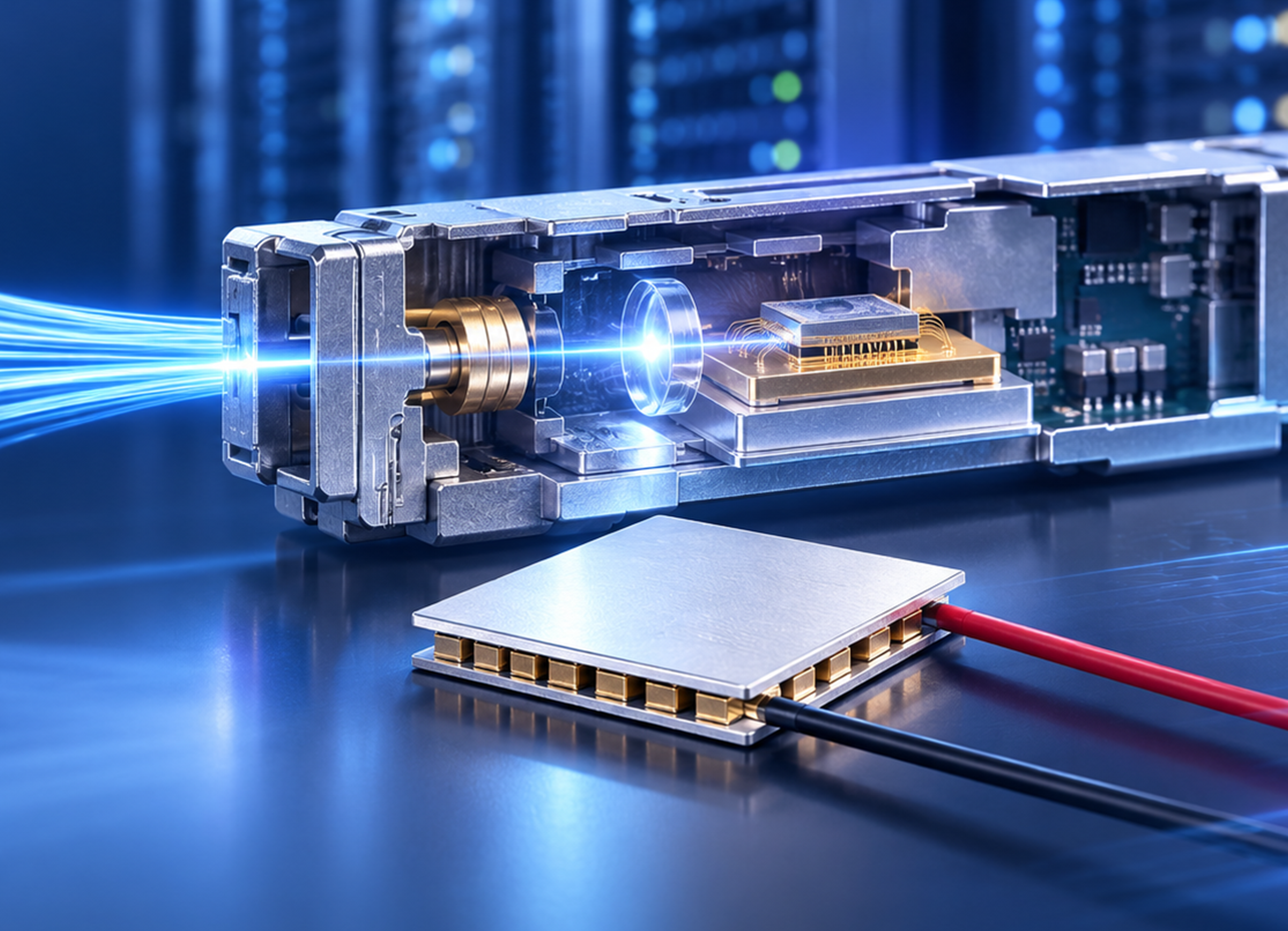
When we are streaming 5G videos and enjoying the convenience brought by AI large models, perhaps we haven't noticed that behind these high-tech scenarios lies a temperature control expert at the micrometer level - Micro TEC (micro thermoelectric cooler). Although its size is small, it can achieve precise temperature control of ±0.01℃. It is an indispensable core component for high-end optical communication equipment, silently safeguarding the stable transmission of every optical signal.Ⅰ.Why is optical communication unable to do without "precise temperature control"? Optical communication cannot do without the "signal transmitter" - the laser. Whether it is a DFB laser or an EML laser, they are extremely sensitive to temperature. Every 1℃ fluctuation in the environment will cause the laser wavelength to drift by 0.1nm. Don't underestimate this tiny drift; i...
-
 In the field of thermoelectric cooling, deep cooling (deep cooling / cryogenic cooling) generally refers to the condition where the target temperature is reduced to a level far below the normal temperature. Industry standards typically refer to a temperature of 200K or below. Due to the limitations of physical structure, the cooling capacity of traditional single-stage TEC has a clear upper limit: at a room temperature of 300K, the maximum temperature difference for cooling is no more than 70K, and the lowest temperature limit at the cold end is approximately 230K (-43℃). To achieve deep cooling below 200K, a multi-stage cascaded TEC scheme must be adopted. I. Main Application Scenarios of Deep Cooling1. Infrared Detection and Astronomical ImagingThe detection sensitivity of semiconductor photodetectors is highly negatively correlated with the operating te...
 -
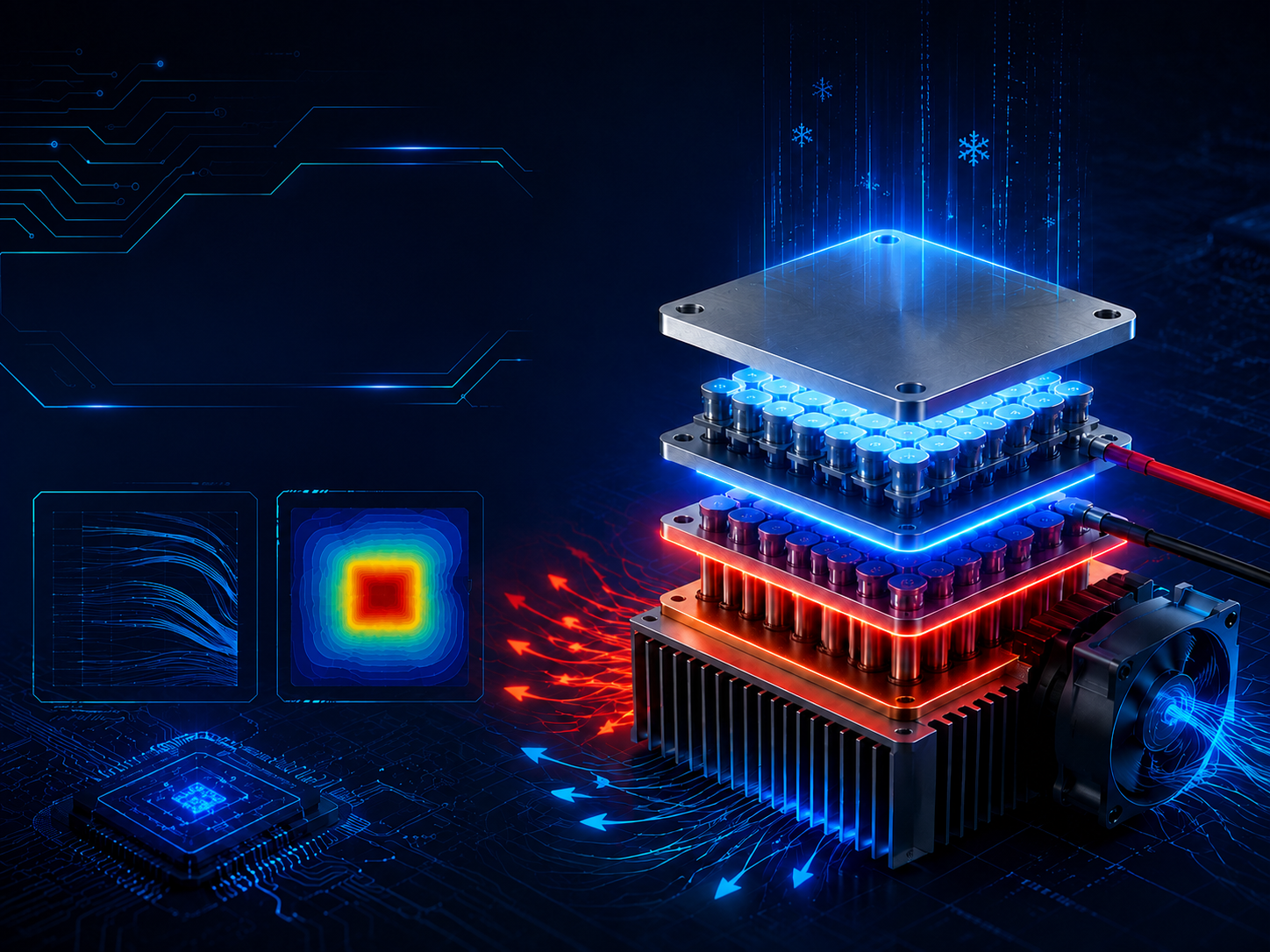
Thermoelectric cooling chips (TECs) are currently widely used in temperature control scenarios such as optical modules, medical devices, vehicle applications, and precision industrial equipment. However, due to the close integration of TEC application with the cooling scenario, problems such as insufficient heat dissipation at the hot end, failure to reach the target cooling temperature at the cold end, and overheating and damage of TECs often occur. This article will focus on introducing how to effectively solve the "TEC-cooling radiator-fluid" system matching problem by using CFD (Computational Fluid Dynamics) simulation. I.Three modeling methods of the TEC model in CFDMethod1: Fine Entity ModelingFine entity modeling typically uses the Thermal-Electric module in Workbench. This module can accurately reproduce the microscopic structures such a...
-
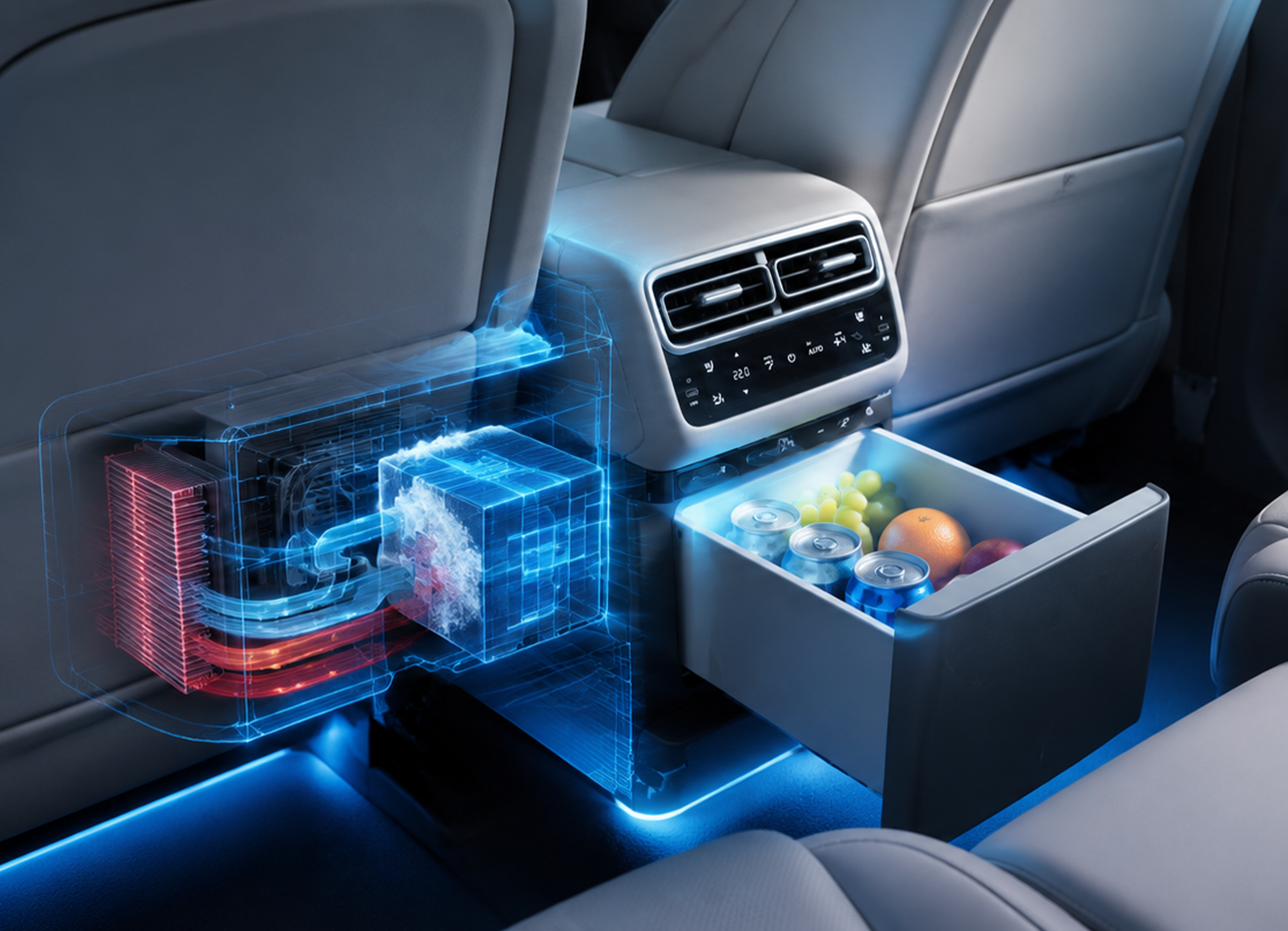
In recent years, as new energy vehicles have accelerated their transition towards intelligence and high-end features, in-vehicle refrigerators have gradually shifted from being optional high-end accessories to standard features in many vehicle models. Compared with traditional refrigeration mechanisms, thermoelectric cooling (TEC) has emerged as the preferred technology solution for small-capacity in-vehicle refrigerators due to its advantages such as small size, no need for refrigerants, quiet operation, and support for both cooling and heating functions. I. New Applications of TEC in Vehicle Refrigerators However, as users' requirements for the performance of in-vehicle refrigerators continue to rise, the traditional single-stage TEC solution has gradually failed to meet their needs. For instance, in an environment with a temperature of 35-40°C under i...
-
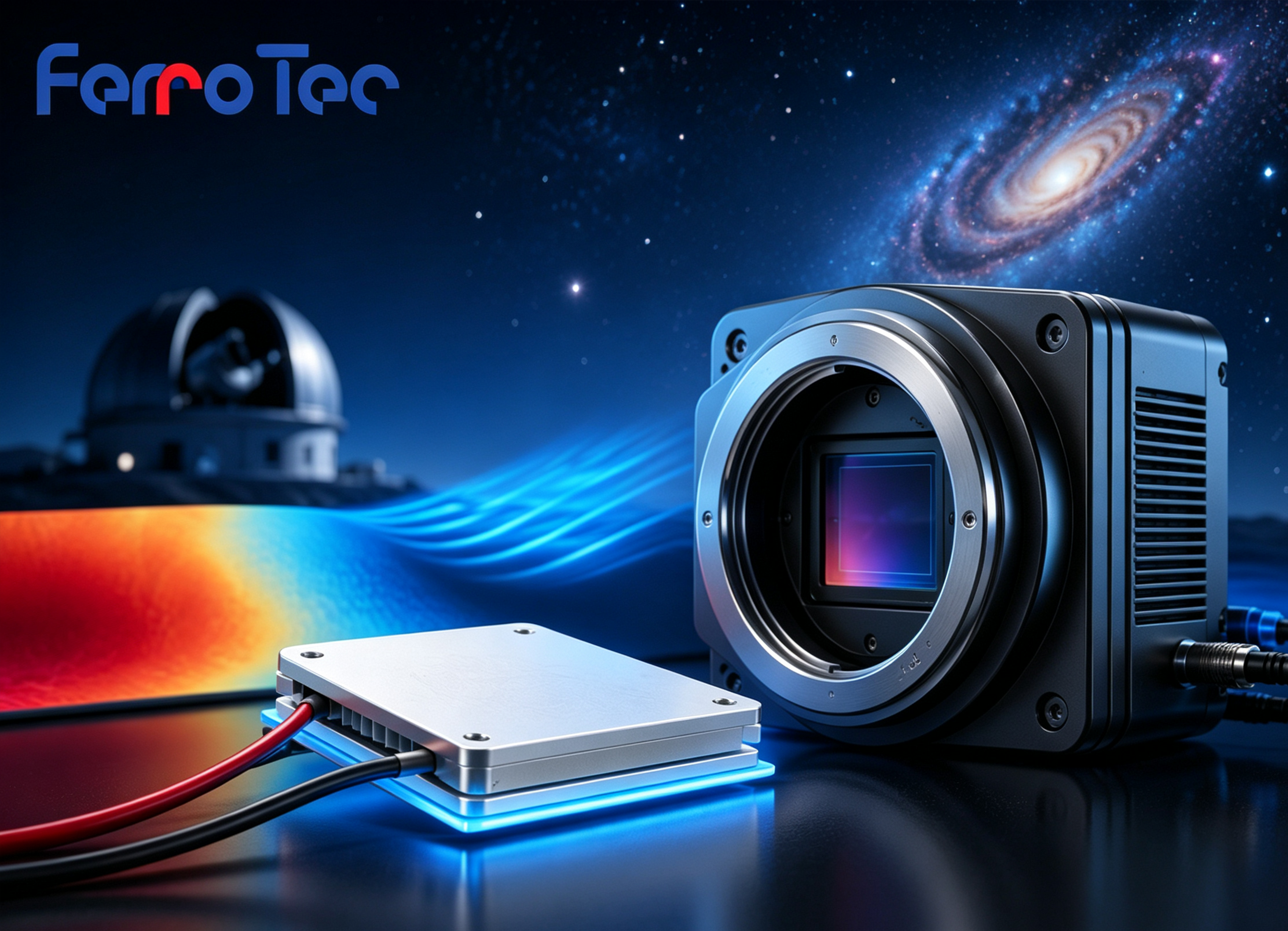
 Why can professional astronomical cameras capture the intricate structures of stars and galaxies that are billions of light-years away, while ordinary cameras only produce a patch of noise? The answer lies not in the larger lenses, but in the sophisticated TEC temperature control system inside the camera body. I. Why are astronomical cameras inseparable from precise temperature control? Astronomical photography is completely different from ordinary photography – capturing deep space objects such as nebulae and galaxies requires long exposures of several seconds or even minutes. During this process, the sensor (CCD/CMOS) will continue to generate heat. The higher the temperature, the stronger the dark current noise, and the image will be filled with random dots, completely obscuring the details of the faint celestial bodies. Even worse, temperature fluc...

-
Most customers who have used thermoelectric coolers (TECs) have encountered this problem: two TECs with nearly identical appearance, dimensions and model numbers can deliver drastically different cooling performance once installed. One operates with stable cooling capacity, while the other suffers from weak cooling, temperature control drift, continuous performance degradation and premature failure. These issues eventually lead to equipment rework, project delays and substantial hidden costs. To prevent such problems, you need to properly distinguish TEC quality. Focus on these three key checks: Visual Inspection: Check substrate flatness to reject defective units; Internal Resistance Measurement: Detect cold solder joints and material defects to ensure batch consistency; Performance Test: Verify cooling capacity and avoid falsely labeled specifications. 1. Visua...
-
Thermoelectric Coolers (TECs) are deployed across a wide range of applications, and cooling module specifications vary for different equipment. Even identical‑model devices may be fitted with different TEC units. Two devices with similar appearances can deliver vastly different cooling performance. This article elaborates on key factors that govern TEC cooling performance. Feel free to leave comments if you have questions or wish to learn more about TEC technology. 1. Thermal Grease: Coating Thickness and Assembly Clearance Thermal grease is the most common thermal interface material between a TEC and cold‑conducting components. Without thermal grease, micro‑gaps at contact surfaces severely impede heat and cold transfer. The cold and heat generated by the TEC cannot be efficiently conducted, resulting in substantial degradation of overall system perfo...
-
The RF module (Radio Frequency Module) is the core component responsible for "transmitting and receiving signals" in wireless communication systems, and it acts as the "translator" between the equipment and the wireless world: the equipment processes digital signals internally, while the air transmission is high-frequency electromagnetic waves. The RF module is responsible for converting between the two.However, the RF module has a troublesome problem - it hates heat. When it gets hot, the transmission power drops, the reception noise increases, and the transmission frequency "deviates". Mildly, it leads to an increase in bit error rate, and severely, it makes it impossible to receive the signal at all. High temperatures also accelerate the aging of the components. For every 10℃ increase in temperature, the component lifespan is directly halved. Therefore, precise tempe...
-
Welcome to the TEC Science Popularization Classroom! Mini TEC, with its compact size and precise temperature control capabilities, is widely used in high-end precision fields such as optical communication, medical aesthetics, military and aerospace. However, due to its extremely low failure rate, electrostatic charges, bumps, and dust pollution can directly cause the devices to fail. Therefore, the selection of packaging for storage and transportation is crucial. This article will specifically introduce the core advantages and selection methods of the two mainstream packaging forms, namely Waffle Boxes and Blue Film. If you have any questions about the content of the article or want to learn more about TEC knowledge, please leave a message in the comment section. I. Waffle Box Packaging: Standardized Hard Carrier Waffle Box (Waffle Pack), as the name sugg...
-
The drinking experience of beer has a high requirement for temperature. Different types of beer have different optimal drinking temperatures: for example, lager beer is best served at 4-6℃, and pale ale at 8-12℃. A mere 1℃ temperature fluctuation can affect the flavor of the beer itself. Temperature changes not only accelerate yeast inactivation, affect the aroma and taste of the beer, but also significantly shorten the preservation period.Traditional compressor-based refrigeration units are bulky, have poor temperature control accuracy, and the beer output is unevenly cold or hot. Continuous mechanical vibration and noise can easily cause the beer body to become cloudy and the taste to become dull. These defects are precisely the core advantages of thermal-electric refrigeration technology in quickly seizing the market for small-sized high-end draft beer equipment. I. Applic...
-
When we are streaming 5G videos and enjoying the convenience brought by AI large models, perhaps we haven't noticed that behind these high-tech scenarios lies a temperature control expert at the micrometer level - Micro TEC (micro thermoelectric cooler). Although its size is small, it can achieve precise temperature control of ±0.01℃. It is an indispensable core component for high-end optical communication equipment, silently safeguarding the stable transmission of every optical signal.Ⅰ.Why is optical communication unable to do without "precise temperature control"? Optical communication cannot do without the "signal transmitter" - the laser. Whether it is a DFB laser or an EML laser, they are extremely sensitive to temperature. Every 1℃ fluctuation in the environment will cause the laser wavelength to drift by 0.1nm. Don't underestimate this tiny drift; i...
-
In the field of thermoelectric cooling, deep cooling (deep cooling / cryogenic cooling) generally refers to the condition where the target temperature is reduced to a level far below the normal temperature. Industry standards typically refer to a temperature of 200K or below. Due to the limitations of physical structure, the cooling capacity of traditional single-stage TEC has a clear upper limit: at a room temperature of 300K, the maximum temperature difference for cooling is no more than 70K, and the lowest temperature limit at the cold end is approximately 230K (-43℃). To achieve deep cooling below 200K, a multi-stage cascaded TEC scheme must be adopted. I. Main Application Scenarios of Deep Cooling1. Infrared Detection and Astronomical ImagingThe detection sensitivity of semiconductor photodetectors is highly negatively correlated with the operating te...
-
Thermoelectric cooling chips (TECs) are currently widely used in temperature control scenarios such as optical modules, medical devices, vehicle applications, and precision industrial equipment. However, due to the close integration of TEC application with the cooling scenario, problems such as insufficient heat dissipation at the hot end, failure to reach the target cooling temperature at the cold end, and overheating and damage of TECs often occur. This article will focus on introducing how to effectively solve the "TEC-cooling radiator-fluid" system matching problem by using CFD (Computational Fluid Dynamics) simulation. I.Three modeling methods of the TEC model in CFDMethod1: Fine Entity ModelingFine entity modeling typically uses the Thermal-Electric module in Workbench. This module can accurately reproduce the microscopic structures such a...
-
In recent years, as new energy vehicles have accelerated their transition towards intelligence and high-end features, in-vehicle refrigerators have gradually shifted from being optional high-end accessories to standard features in many vehicle models. Compared with traditional refrigeration mechanisms, thermoelectric cooling (TEC) has emerged as the preferred technology solution for small-capacity in-vehicle refrigerators due to its advantages such as small size, no need for refrigerants, quiet operation, and support for both cooling and heating functions. I. New Applications of TEC in Vehicle Refrigerators However, as users' requirements for the performance of in-vehicle refrigerators continue to rise, the traditional single-stage TEC solution has gradually failed to meet their needs. For instance, in an environment with a temperature of 35-40°C under i...
-
Why can professional astronomical cameras capture the intricate structures of stars and galaxies that are billions of light-years away, while ordinary cameras only produce a patch of noise? The answer lies not in the larger lenses, but in the sophisticated TEC temperature control system inside the camera body. I. Why are astronomical cameras inseparable from precise temperature control? Astronomical photography is completely different from ordinary photography – capturing deep space objects such as nebulae and galaxies requires long exposures of several seconds or even minutes. During this process, the sensor (CCD/CMOS) will continue to generate heat. The higher the temperature, the stronger the dark current noise, and the image will be filled with random dots, completely obscuring the details of the faint celestial bodies. Even worse, temperature fluc...